
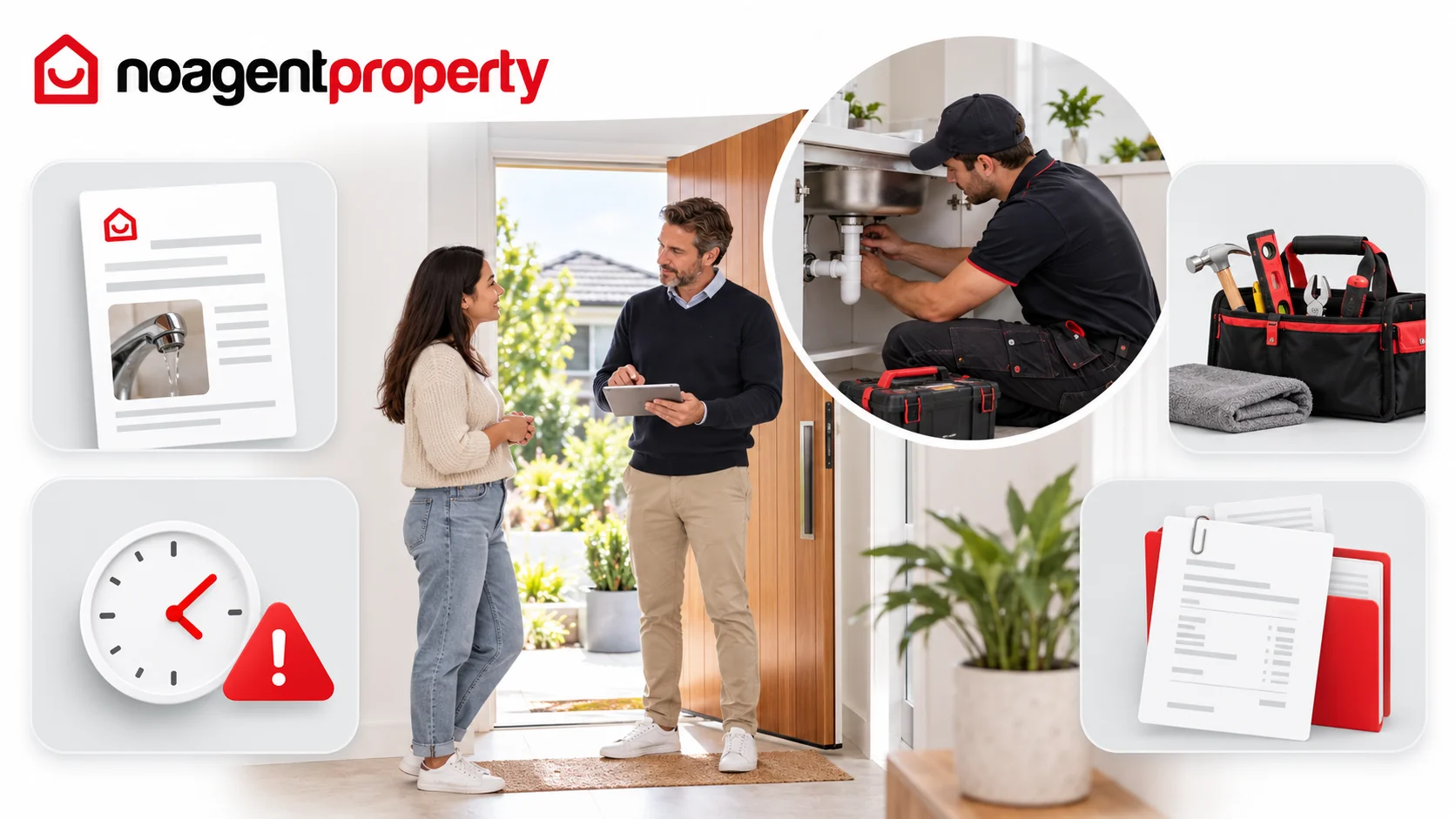
As a landlord, you're responsible for keeping your rental property safe, maintained and in the condition required by the residential tenancy laws in your state or territory.
During the tenancy:
- Respond to repair requests promptly: Have a clear way for tenants to report maintenance issues and keep records of requests and work completed.
- Prioritise urgent repairs: Problems involving essential services, safety or security may be classified as urgent or emergency repairs and can require faster action.
- Maintain the property: Attend to repairs and maintenance that are your responsibility rather than allowing problems to become worse.
- Use appropriately qualified tradespeople: Electrical, plumbing, gas and other regulated work should be completed by suitably licensed or qualified professionals where required.
- Respect access rules: When you or a tradesperson needs to enter the property, follow the required notice and entry rules unless an emergency or another legal exception applies.
- Keep records: Retain maintenance requests, invoices, correspondence and details of repairs completed.
Tenants also have responsibilities, including taking reasonable care of the property and notifying the landlord when repairs are needed. Responsibility for damage caused by a tenant or their guests may be treated differently from fair wear and tear or ordinary maintenance.
What qualifies as an urgent repair, how quickly you must respond, and what a tenant can do if repairs aren't completed varies between states and territories.
Check the current requirements of the government tenancy authority where your property is located, particularly when dealing with an urgent repair or safety issue.
For more information, see our Routine Inspections and Condition Reports and Why They Matter guides.