
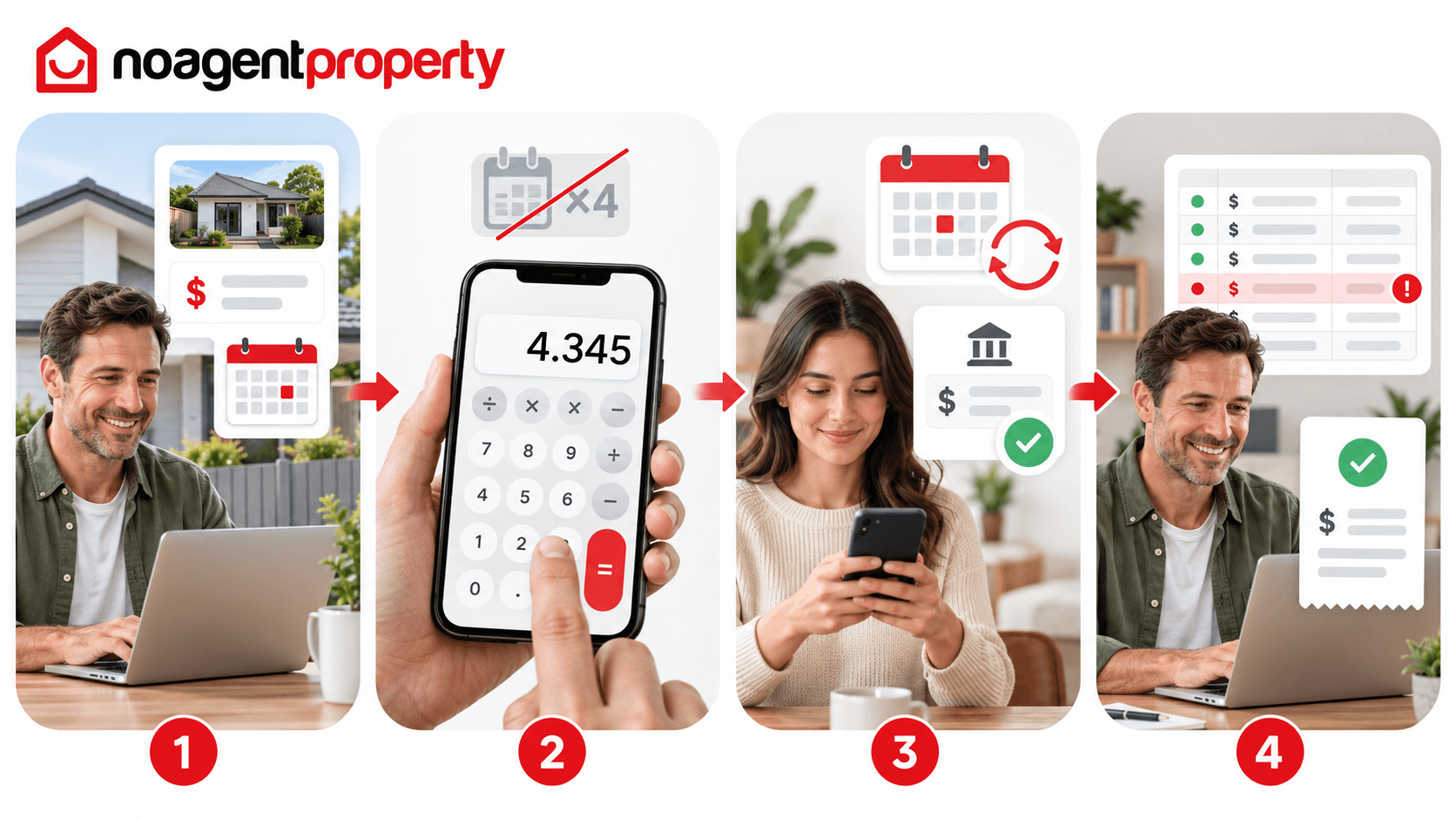
If you're managing the property yourself, having a simple and consistent system for collecting rent and keeping records will make the tenancy easier to manage.
- Follow the tenancy agreement: The rent amount, frequency and payment arrangements should be clearly recorded in your residential tenancy agreement.
- Offer permitted payment methods: Make sure the payment options you provide comply with the requirements in your state or territory.
- Keep a rent ledger: Record the date, amount and rental period covered by each payment.
- Provide receipts where required: Receipt requirements can depend on how the tenant pays, so check the rules that apply in your state or territory.
- Monitor payments: Regularly check that rent has been received in full and on time rather than relying solely on automatic transfers.
- Keep good records: Retain your tenancy agreement, rent ledger, receipts and other relevant payment records for the required period.
If rent is late or unpaid, don't take informal action such as changing locks, restricting access or attempting to remove the tenant yourself. There are specific notice and termination procedures that must be followed.
Rent payment methods, receipts, rent increases, arrears and record-keeping requirements vary between states and territories, so check the current requirements of the government tenancy authority where your property is located.
For more information, see our Preparing a Residential Tenancy Agreement and Managing Rent Arrears guides.