

Selling Your Home in Australia? Here’s How First-Home Buyer Incentives Can Help You Sell Faster and for More
When you’re preparing to sell your property, it’s natural to focus on presentation, marketing, and pricing. But there’s another powerful factor that too many sellers overlook: government incentives for first-home buyers.
Across Australia, each state and territory offers grants, stamp duty exemptions, shared-equity schemes, and deposit support to help first-time buyers get into the market. And while these programs are aimed at buyers, they have a direct impact on how quickly and successfully you can sell.
If you understand how these incentives work — and position your property to align with them — you can expand your buyer pool, attract more competition, and potentially increase your final sale price.
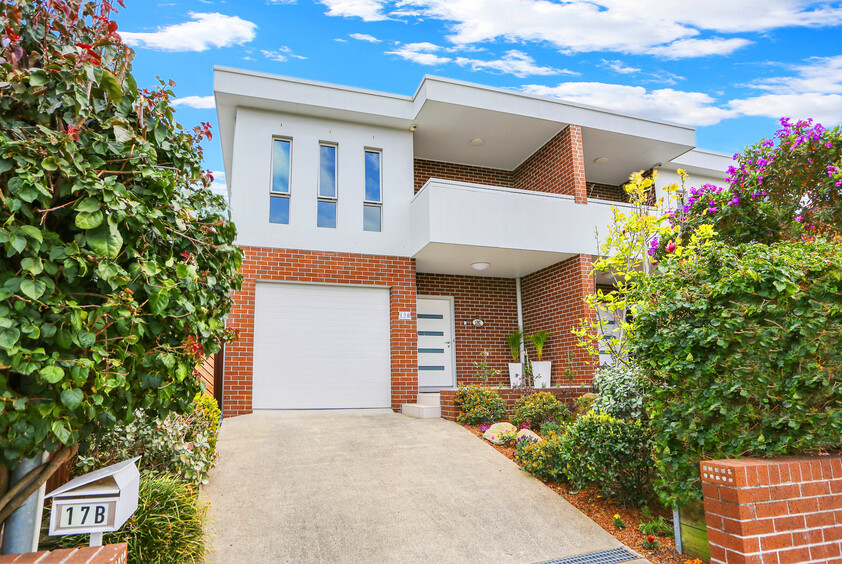
🏠 Why First-Home Buyer Schemes Matter for Sellers
First-home buyers make up a significant slice of Australia’s property market, particularly in the sub-$800,000 price range. Government incentives can save them tens of thousands of dollars — which often determines whether they can afford to buy.
As a seller, this affects you in three key ways:
- Demand: Properties that qualify for grants or stamp duty relief often attract more buyer interest.
- Competition: A larger buyer pool can lead to faster sales and stronger offers.
- Price Strategy: Setting your price just under key thresholds can open your property up to significantly more eligible buyers.
🇦🇺 National Snapshot: How Incentives Work Across Australia
While each state has its own programs and rules, most follow a similar pattern. Here’s a national overview of the main types of support available to first-home buyers — and what they mean for you as a seller.
1. First Home Owner Grant (FHOG) – New Homes Only
Every state and territory offers a First Home Owner Grant for new homes — typically between $10,000 and $30,000.
✅ What this means for sellers:
- If you’re selling a brand-new, never-lived-in home, townhouse, or apartment, highlight that your property is FHOG-eligible.
- Most grants require the property price to be under $600,000–$750,000, so pricing strategically below those caps can make your listing far more attractive.
- Even substantially renovated properties may qualify if they meet strict criteria — talk to your conveyancer about whether yours does.
Examples by State:
- VIC: $10,000 for new homes under $750,000
- NSW: $10,000 for new homes under $600,000 (or $750,000 for house + land)
- QLD: $30,000 for new homes under $750,000
- SA: $15,000, with no price cap (for new homes only)
- WA: $10,000 for new homes (cap $750k–$1m depending on location)
- TAS: $10,000 for new homes (must not be previously occupied)
- NT: Up to $50,000 under the HomeGrown Grant (new builds)
- ACT: No FHOG — replaced by stamp duty concessions
2. Stamp Duty Exemptions & Concessions – The Real Game-Changer
Stamp duty (or “land transfer duty”) is one of the biggest costs for first-home buyers — and the largest barrier to entry. Every state and territory offers concessions or full exemptions below certain thresholds.
✅ What this means for sellers:
- Homes priced just under key thresholds often sell faster and attract more competition.
- If your property is likely to exceed a major cutoff (e.g. $600k or $800k), even a slight price adjustment can significantly widen your buyer pool.
Typical Thresholds Across Australia:
| State/Territory | Full Exemption Up To | Concessional Range | Notes |
|---|---|---|---|
| VIC | $600,000 | $600,001–$750,000 | Applies to all homes (new or established) |
| NSW | $800,000 | $800,001–$1,000,000 | New or established homes |
| QLD | $700,000 | $700,001–$800,000 | Existing homes; no cap for new homes (from May 2025) |
| SA | Unlimited | N/A | Stamp duty abolished for new homes |
| WA | $500,000 | $500,001–$700,000 (metro) | $750,000 cap in regional WA |
| TAS | $750,000 | N/A | Applies to established homes only (until June 2026) |
| NT | $700,000 | Up to $1.5m (50% concession) | |
| ACT | $1,000,000 | $1m–$1.455m | Income caps apply |
3. Shared-Equity & Deposit Schemes – Expanding Buyer Power
On top of grants and duty relief, several states and the federal government offer shared-equity programs or low-deposit schemes that let buyers purchase with as little as 2–5% deposit and avoid lender’s mortgage insurance.
✅ Why this matters for sellers:
- These schemes let buyers “stretch” further — meaning your property might now be within reach even if it’s slightly above traditional first-home price points.
- Highlighting eligibility for shared-equity programs can widen your audience, especially in the $700k–$1.2m range.
Examples:
- VIC Homebuyer Fund: Government contributes up to 25% of purchase price
- NSW Shared Equity: Government shares up to 40% for eligible buyers
- QLD “Boost to Buy”: Government to contribute up to 30% for new homes (planned)
- Federal First Home Guarantee: Buy with as little as 5% deposit (price caps apply)
💡 Seller Strategies: How to Use This Information to Your Advantage
1. Price Just Under Key Thresholds
If your property sits near a major concession cutoff (e.g. $600k, $700k, $800k, $1m), pricing slightly below it can dramatically increase your buyer pool — and spark competition.
2. Highlight Incentives in Your Marketing
Use language like:
- “Stamp duty–free for eligible first-home buyers”
- “Eligible for $10,000 First Home Owner Grant”
- “Government shared-equity schemes available”
- “No LMI – buy with 5% deposit under First Home Guarantee”
3. Emphasise “New”, “Never Lived In” or “Substantially Renovated”
If your property qualifies as new, make that crystal clear. These terms catch buyers’ attention and signal grant eligibility.
4. Time Your Sale Strategically
Many schemes are tied to contract dates, not settlement dates. If a scheme changes on 1 July, for example, timing your campaign around that date can make a big difference.
5. Include a Clear Disclaimer
Always include a note that incentives are subject to buyer eligibility, state government policy, and application criteria. This protects you and ensures buyers understand their responsibilities.
⚠️ Common Pitfalls Sellers Should Avoid
- Overpricing: Even $1,000 over a key threshold can cost buyers thousands — and lose you their interest.
- Incorrect marketing: Don’t advertise grant or duty eligibility unless you’re certain your property qualifies.
- Ignoring occupancy rules: Buyers must usually live in the property for a set period — if they plan to rent it out, incentives may not apply.
- Forgetting income caps: Especially in ACT and NSW, income thresholds can disqualify buyers.
📈 Final Thoughts: Knowledge = Power (and Profit)
Government incentives aren’t just for buyers — they’re a powerful tool for sellers too. By understanding how they work and aligning your property with the programs that matter most, you can attract more qualified buyers, build urgency, and potentially achieve a higher sale price.
Whether you’re selling a brand-new townhouse, a renovated apartment, or a family home under $800,000, the right pricing, marketing, and timing — informed by first-home buyer incentives — can make all the difference.