

Selling in Victoria? Here’s How First-Home-Buyer Grants & Concessions Impact Your Sale
When you’re preparing to sell your property, understanding who your likely buyers are — and how government incentives influence their decisions — can give you a major edge. In Victoria, first-home buyers make up a large share of the market, and government support schemes directly shape which properties they can afford and how much competition you’ll face.
This guide breaks down everything sellers should know about the First Home Owner Grant (FHOG), stamp duty concessions, and shared-equity schemes — and how to use them to maximise your sale price.
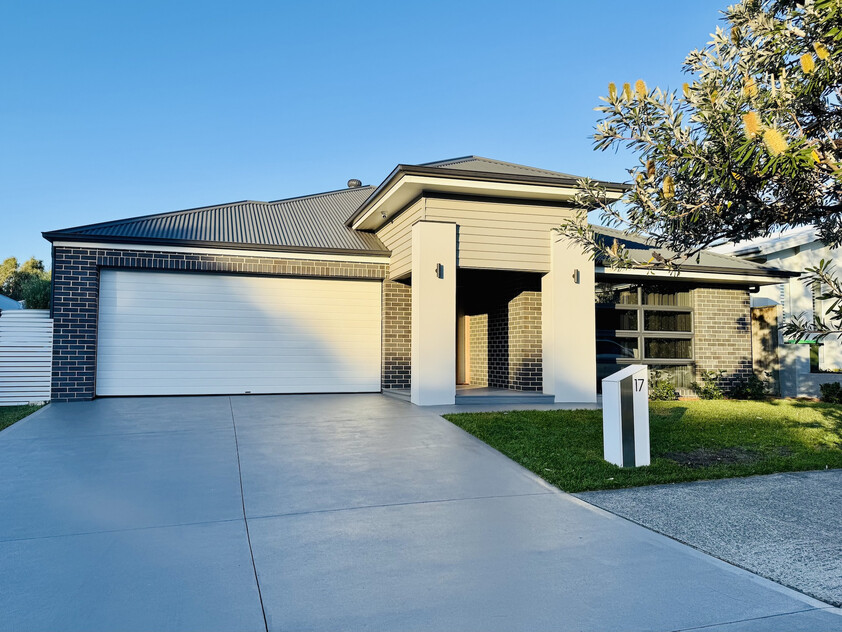
Selling in Victoria? Here’s How First-Home-Buyer Grants & Concessions Impact Your Sale
When you’re preparing to sell your property, understanding who your likely buyers are — and how government incentives influence their decisions — can give you a major edge. In Victoria, first-home buyers make up a large share of the market, and government support schemes directly shape which properties they can afford and how much competition you’ll face.
This guide breaks down everything sellers should know about the First Home Owner Grant (FHOG), stamp duty concessions, and shared-equity schemes — and how to use them to maximise your sale price.
1. Why First-Home-Buyer Incentives Matter to Sellers
Grants and concessions don’t just help buyers — they help you. When your property falls within an eligibility range, it opens the door to a larger buyer pool and often results in faster sales and stronger offers.
The trick is to understand the key price points and property types that qualify, so you can:
- Price strategically to capture the maximum number of eligible buyers
- Emphasise relevant features in your marketing
- Time your sale to align with peak demand from first-home purchasers
2. FHOG: What Properties Qualify
The First Home Owner Grant (FHOG) in Victoria is a $10,000 payment available to first-home buyers purchasing or building a new property valued at $750,000 or less.
✅ What this means for sellers:
- If you’re selling a brand-new build, townhouse, apartment, or substantially renovated home under $750k, your listing is far more attractive to grant-eligible buyers.
- Highlight “brand-new,” “never lived in,” or “substantially renovated” in your advertising.
- Even if the property is close to the $750k cap, consider pricing just under it to unlock that extra $10k appeal for buyers.
3. Stamp Duty Exemptions: The $600k Sweet Spot
Victoria’s stamp duty concessions are among the most powerful buyer incentives.
- No stamp duty on homes up to $600,000
- Discounted stamp duty on homes from $600,001 to $750,000
✅ Seller strategy:
- If your property’s likely value sits just above $600k, pricing it just under that threshold can dramatically expand your buyer pool and speed up the sale.
- Properties in the $650k–$750k range remain attractive due to reduced duty — but competition is fiercest just under $600k.
4. Shared Equity: Buyers Can Stretch Further
The Victorian Homebuyer Fund lets eligible buyers purchase with as little as a 5% deposit, with the state contributing up to 25% of the price in exchange for a share of the property.
✅ What this means for sellers:
- More buyers can enter the market — especially in the $600k–$800k range.
- Even slightly more expensive homes might now be within reach for first-timers who couldn’t afford them before.
5. How to Maximise Your Sale With This Knowledge
Here’s how smart sellers use first-home-buyer incentives to their advantage:
- 🎯 Set price guides strategically: If possible, target just under $600k or $750k to align with major grant/duty thresholds.
- 📣 Use eligibility language in ads: “FHOG eligible”, “stamp duty free”, or “first-home buyer friendly” catches attention.
- 🏠 Highlight key features: Emphasise “brand-new,” “never lived in,” or “ideal first home.”
- 🕐 Time your sale: First-home demand peaks in late summer and early spring — plan campaigns accordingly.
- 📈 Work with your agent/FSBO platform: Make sure they understand how to market your property to this segment.
6. Common Mistakes Sellers Make
- ❌ Pricing just over $600,000 or $750,000 and losing a huge portion of your buyer audience.
- ❌ Failing to highlight eligibility in marketing materials.
- ❌ Overlooking the impact of shared-equity buyers on higher-priced properties.
- ❌ Assuming incentives only matter for new builds — stamp duty concessions often apply to established homes too.
📊 Final Thoughts
In a competitive market, knowledge is power — and understanding how first-home-buyer incentives shape demand can be the difference between a slow sale and a quick, top-dollar result.
If you’re preparing to sell, talk to your conveyancer or real estate advisor about how these thresholds apply to your property. And if you’re selling privately, platforms like No Agent Property can help you optimise your pricing and marketing to reach the largest possible pool of first-home buyers.