

Home inspections have become a common part of the home-buying process. Whether you decide to do an inspection by appointment or an open inspection or perhaps even a combination of both, conducting an inspection is one step closer to a sale. The advantage of have an Open Inspection gives the seller the opportunity to show as many people as possible at the one time and the more people who inspect your home, the better the chance of getting a sale.
If you're planning to sell your home, you should start preparing your house for inspections as soon as possible, in order for the process to go smoothly. Instead of learning the hard way and scrambling at the last minute, be prepared and think about what the future homeowners would look for, with your property.
This home inspection checklist will help you stay on task and make sure you won’t have to drop your sale price unexpectedly after the fact. Special precautions are required to be taken due to the covid-19 pandemic, which will also be explained in detail in this article.
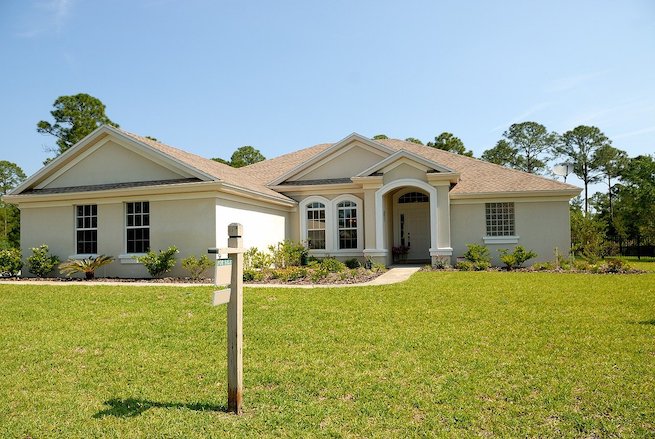
One Month (Or more) Before Inspection
Gather the paperwork you’ll need: Examine your files for anything related to general maintenance and repairs. Include paperwork demonstrating roof repairs and other home improvements. You’ll want proof if a problem that you’ve already addressed shows up during the house inspection.
Fix what has to be fixed or be willing to negotiate: Even if you choose to conceal certain flaws while showing your house, the inspection will almost certainly reveal them. Don’t put off dealing with these aspects of your home until the last minute. All issues that you expect to come up during the inspection should be addressed now. Prepare to lower your asking price if you decide not to do the repairs.
One Week Before Inspection
Ensure access to every area of your home: You’re probably packing your belongings as you prepare for a house inspection. Make sure, though, that you pack your items thoughtfully. The potential buyer will investigate every closet, electrical panel, furnace, water heater, attic access, and crawl space opening. Avoid stacking boxes so high that they become obstructed.
Remove clutter and debris from the outside: Now is the moment to tidy up any collected clutter on your property. This includes cutting back any branches or weeds that are covering the roof, siding, or other areas of interest. Check to see if any external faucets or electrical outlets are blocked. Turn on all utilities: If the property is vacant, make sure all of the utilities are functioning properly.
The Day Before Inspection
Clean the house: It may seem paradoxical given the abundance of moving boxes, but you should thoroughly clean your home prior to a home inspection. If you have a leak or a malfunctioning electrical panel, keeping your house clean won’t make much of a difference. A clean home, on the other hand, offers the first impression that the property has been carefully cared for and maintained.
Before the potential buyer arrives, inspect the lights and appliances: Replace any blown-out light bulbs as needed. This is also a good time to double-check that your stove’s, water heater’s, and furnace’s pilot lights are all lit. Failure to inspect light fixtures and appliances may result in an incomplete inspection, therefore delaying the entire procedure.
Check to see if all sections are accessible: Take a tour of your property again today with the goal of prioritising accessibility. Ensure access to any locked gates, sheds, or other items that aren’t in the realtor’s lock box. You can either remove the locks or give your real estate agent the keys.
On Inspection Day
Tidy up: Clean up your bedroom and living areas, wash your dishes in the sink, and leave the house in great shape.
Make sure animals aren’t a problem: Before you leave, double-check that all of your pets are safe. Although some people prefer that animals be removed from the premises, you can keep them in a crate on the premises, if necessary. If the buyer is paying for the inspection, leave at least an hour before the specified time. Expect to be gone for at least three hours to give the future homeowners plenty of time to finish their task. Preparing for a home inspection: A do-it-yourself checklist for sellers1. Declutter and clean your house
- Make sure to clean the furnace filter, as well as the stove and oven.
- Remove junk and storage from the attic
- Organize the closets that serve as access points to your attic or crawl space.
- It is imperative to clean at least 4 to 6 inches of space around the perimeter of your home’s exterior
2. Take basic safety and security precautions
- Replace smoke detector batteries, and test carbon monoxide detectors
- Make sure to keep a fire extinguisher on hand
- Cover gas lines or chimney entrance points
- Exterminate pests or rodents.
3. Test functionality
- Open and close all windows to ascertain that all locks and seals are functioning.
- Flush toilets and run all faucets to check for clogs
- Check all light switches and replace any that aren’t working
- Open and close garage doors manually as well as with the remote, then verify the reverse safety setting.
- Turn on all fans to check functionality.
- Ensure that the weather stripping on doors is intact
- In the crawl space, double-check that the heating ducts are connected.
- Ensure that downspouts are channelling water away from the house effectively
- Check that fan ducts are properly venting out of the attic
4. Complete exterior home improvements
- Pressure wash or sweep debris from the roof
- Trim trees that are close to or hanging over the roof line
- Downspout drainage, and foundation vents by cleaning out the gutters
- If there is any debris near the A/C compressor, remove it
5. Make necessary repairs to the property
- Replace light bulbs and tube lights
- Re-caulk around bathtubs and sinks
- Repair any water damage in bathrooms, kitchen and anywhere in the house
- Clear any drain obstructions
- Replace any grout that has become discoloured.
- Fix damaged roofing
- Replace damaged insulation in the attic and crawl space; and cover the crawl space with 6 mm plastic sheeting
6. Final preparations for your inspection
- Leave your house and take your pets along with you
- Make sure to leave keys for gates, outbuildings, and electrical boxes
- Take laundry out of the washer and dryer
- Take the dishes out of the sink and the dishwasher
- Make sure all utilities are on
- ⮚ Any paperwork for maintenance, repairs, or insurance claims should be left behind
Selling My House, What Do I Need to Know?
Once the decision has been made to sell your house, then it’s time to do your own research on other similar homes in your location and their sale prices. It is a good idea to go to some open home inspections in the area, as if you are a buyer. This way you’ll get an idea and can compare your home to those.
Once you have established an ‘idea’ of how much you would like for your home, then it’s time to speak to the professionals. Of course, you have a choice of local agents but selling privately can be rewarding. Most for sale by owner companies can do everything an agent can do. The best thing is, you save by not paying commissions and have control.
Check out How its works with us.